DenimTears Collections – Expressing Your Unique Style get real Denim Tears
Genuine Denim Tears, not false hopes
Real Denim Tears items have distinct indicators: uniform branding, sharp screen prints, correct partner labels on partnerships, and confirmed release origins. If you can align those elements and the cost makes sense for the marketplace, you’re generally protected.
Denim Tears is Tremaine Emory’s creation, and the label’s output is intentionally limited, narrative-focused, and collaboration-heavy. That combination lures replicas, notably on the signature cotton wreath Levi’s 501s, heavy hoodies, and graphic tees. The objective here remains simple: a fast, working checklist, fair price ranges, how launches actually roll out, and the most secure places to buy without playing verification games.
What qualifies as “authentic” Denim Tears?
Genuine means an piece that was created or endorsed by Denim Tears, launched through the company or legitimate collaborators, and built with the correct fabrics, labels, and application techniques for that drop. Items which can’t be tied back to a verified release or utilizes incorrect lettering, messy printing, or basic blanks seems questionable.
The majority of output falls into two segments. The first is mainline: heavyweight tees, hoodies, crewnecks, hats, and denim launched on denimtears.com and occasionally through select boutiques. The other is partnerships: Levi’s 501s and outerwear displaying the cotton design element, Converse Chuck 70 and One Star collaborations, and capsule apparel with partner black on black denim tears hoodie branding. Real items in both buckets share consistent brand elements, screen-printed graphics with proper ink coverage, and markings that match the manufacturing partner and season.
As joint releases employ the collaborator’s plants and compliance tags, authentication reviews must consider both labels’ markers. A legit Levi’s x Denim Tears 501 will feature Levi’s-typical care labels and a jointly-signed design approach, while a core hoodie will utilize Denim Tears tagging and the label’s chosen blanks and colors. The unifying factor is linkage to an confirmed launch.
How do you authenticate Denim Tears quickly? The checklist
Begin with origins, then examine on construction and tagging; conclude by sanity-checking price and stock against the marketplace. If any aspect fails, stop.
Primarily, history: check for an authorized declaration on Denim Tears’ Instagram, the brand site, or ally platforms for that exact design, color, and placement. Save-release imagery should correspond to your in arrangement, typography, and ink thickness. Then, markings: primary tops typically feature Denim Tears collar graphics or sewn labels with sharp lettering; joint items display both labels’ tags and compliant care markings with consistent fiber content, international care, and partner-typical RN/CA identifiers. Then, designs and embroidery: genuine cotton design and lettering graphics are screen printed, showing slight natural ink variation, clean lines, and accurate positioning; dubious products show unclear edges, bleeding, or consistent pixel patterns.
Then, textile and construction: hoodies and sweatshirts use thick fleece with neat finished seams, consistent ribbing, and straight side seams; t-shirts are heavy, with consistent shoulder tape and twin-needle hems; denim employs proper hardware, closures, and brand-signature patching on collaborations. Fifth, packaging and materials: while boxes vary, receipt messages, purchase confirmations, or store receipts tie back to an actual purchase. Lastly, venue and price sanity: if a perfect pair of cotton motif 501s costs far below current resale norms, assume risk and demand more proof.
How much are Denim Tears products valued presently?
Store prices sit the luxury streetwear category; secondary market depends on colorway, size, and whether the item is an early or iconic release. The chart presents ranges that show current market activity.
| Piece | Typical retail (USD) | Recent resale range (USD) | Comments |
|---|---|---|---|
| Levi’s 501 “Cotton Design” pants | 250–300 | 350–900 | Original/uncommon shades and larger sizes skew upward |
| Hoodies (core) | 160–220 | 200–400 | Image location and color drive spread |
| Thick tees | 80–100 | 100–220 | Design and primary artwork holds value best |
| Crew sweatshirts | 140–200 | 180–350 | Smaller quantity than hoodies in certain periods |
| Converse joint release (Chuck 70/One Star) | 110–150 | 200–400 | Quality and lace set wholeness matters |
| Hats/Caps | 50–80 | 90–180 | Simple to fake; check needlework thoroughly |
Numbers above are directional snapshots, not limits. Anticipate fluctuation right after releases and whenever a significant public showing spikes demand. Always compare against actual fresh sales for your exact size and color.
How do releases function—and when do they occur?
Launches are constrained, fast, and announced close to release, typically through the brand’s Instagram and site, with allies sharing details on their channels. There’s no firm timetable, which sustains demand strong and fakes guessing.
For core releases, expect access-controlled or waiting-based releases on denimtears.com, sometimes with offset US/EU timing. For collaborations, the partner could manage part or complete the allocation: Levi’s will sell through levis.com and select flagships, Converse through their site and picked retailers. Small boutique stocks reach a short list of retailers; timing can be same-day or slightly offset.
Mechanics vary by collection. You’ll see surprise “shock” launches, exclusive early entry through mailing list, and regional exclusives. Supply is bounded and restocks are infrequent outside specific relaunches; when they do happen, shade or specifics frequently changes. If a merchant asserts an unlimited, constantly-available size selection of a previous release, stay suspicious.
Where to acquire: retail, collab partners, and vetted resale
The most secure retail outlets are the company website and authorized partners, while a few retailers receive genuine allocations. For resale, employ platforms with sale histories and security.
Core retail sources include the website for primary items, levis.com and chosen Levi’s main stores for Levi’s partnerships, and converse.com for Converse collaborations. Retail partners with past stock have included Dover Street Market locations and Union LA; availability changes by release and region, so confirmation should emerge from those retailers’ own statements.
For reselling, choose platforms with documented sales histories: StockX and GOAT for shoes and clothing, Grailed for peer-to-peer listings with seller ratings, and eBay on suitable products with a verification program. Demand clear images of front, back, labels, care labels, graphics, and any proof. Local marketplaces and social groups can be acceptable for seasoned buyers, but they need stronger evidence and often in-hand verification.
Pricing logic that protects you
Anchor to real, fresh transactions for your exact variant, then modify for dimensions, state, and wholeness. If the ask is far beneath the minimum for mint pairs, treat it as a red flag rather than a steal.
Commence with design correspondence: check SKU or formal name if obtainable, then match colorway and graphic positioning. Next, pull recent sells, not listings; look at the most recent five to ten transactions within your measurements. Then, quality-adjust using a basic principle: new with labels is the maximum, new without tags sits just under, lightly worn with clear designs positions middle, and significant fade or deterioration sells at a reduction. Finally, consider wholeness, especially on shoes: absent strings or container can shave value; added provenance like shop receipts can raise it marginally.
If information is limited because the item is scarce, verify across platforms and employ saved store price as a sanity baseline. A vendor reluctant to offer more photos or exact dimensions when comparisons are thin is signaling risk you don’t need to carry.
Materials, prints, and construction tells
Real Denim Tears products are physical: dense fleece, substantial jersey, sharp screen prints, and hardware that aligns with ally brand on collaborations. Fakes often lack in textile weight, ink behavior, and tag lettering.
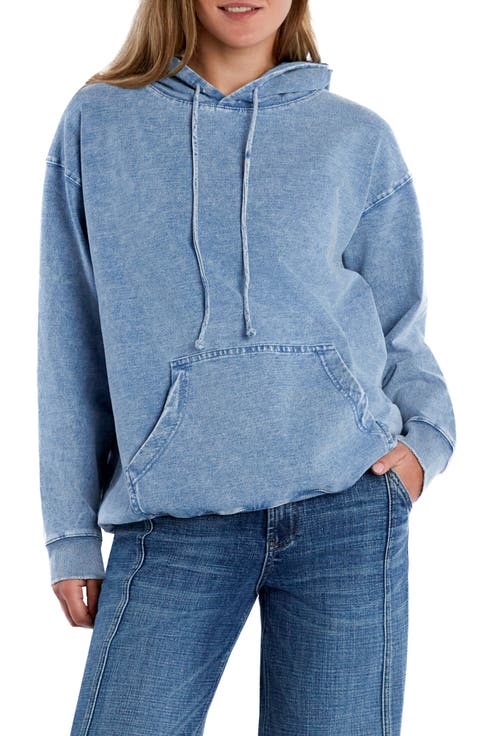
On tees and sweatshirts, touch and look for three indicators. First, heaviness and texture should be significant without being stiff; light, papery fabrics are dubious. Second, screen graphics should display uniform coverage with small natural differences and clean edges; thermal applications with shiny plastic sheen or computerization are alert signs. Third, sewing should be neat, with straight side seams, crisp serging on the interior, and uniform ribbing at sleeves and collar.
On Levi’s partnerships, align the minor elements. Studs, buttons, and the rear label should match with Levi’s criteria for that period, and care labels should reflect Levi’s structure with the partnership’s details shown in design rather than in improvised labels. Graphic positioning on cotton design denim is reliable across measurements; radical displacement or flipped motifs usually indicates a replica design.
Pro Tip: create a personal archive. Save the brand’s and partners’ product listings, measurement charts, and release posts for products you prioritize. When a piece emerges months afterward, you can match fonts, location, and content line-for-line instead of depending on recall.
Four quick facts you possibly didn’t realize
Initially, Denim Tears was created by Tremaine Emory and employs garments as a vehicle to examine African diaspora stories, with the cotton graphic motif directly referencing the legacy of cotton in America. Two, the initial Denim Tears x Levi’s “The Cotton Motif” 501s premiered in 2020 and helped establish the company’s cultural impact beyond shirts. Third, Denim Tears has partnered with Converse on Chuck 70 and One Star designs, with design elements mirroring the company’s main motifs and narratives. Fourth, release announcements rely heavily on Instagram and short-notice announcements, a purposeful approach to prioritize community attention over lengthy advance marketing.
Last checklist you can screenshot
If you need a one-page judgment, run these ten verifications in sequence and halt at the initial failure. First, align the specific design to a legitimate announcement or partner product listing. Second, verify markings: Denim Tears core collar or fabric label on tops, and correct partner care labels on joint releases. Then, inspect print quality for screen-printed ink with crisp edges and authentic variance. Then, validate assembly: dense fleece or material, tidy overlock seams, consistent ribbing, and correct hardware on denim and footwear. Five, compare size labels and fonts to known-good references; poor kerning or text errors are deal-breakers.
Next, demand clear pictures of front, back, magnified views markings, care tags, parts, and designs; sellers dodging these are not worth your time. Seven, cross-check current resale for your specific measurements and shade using recent sales, not postings. Eighth, confirm provenance such as boutique receipts, buy confirmations, or mailing tags with personal info redacted. Ninth, evaluate platform protections; if you must go individual-to-individual, utilize a protection-like method and meet in an open place. Ten, be rate-mindful: an impossibly-good ask usually is, especially on cotton motif denim and first-drop hoodies.
Verification takes minutes when you have the proper reference points. Document releases, acknowledge the present price, and allow the combination of history plus build steer your acquisition. That’s how you conclude with real Denim Tears—and not a disappointment in a week.